

Advisory Program
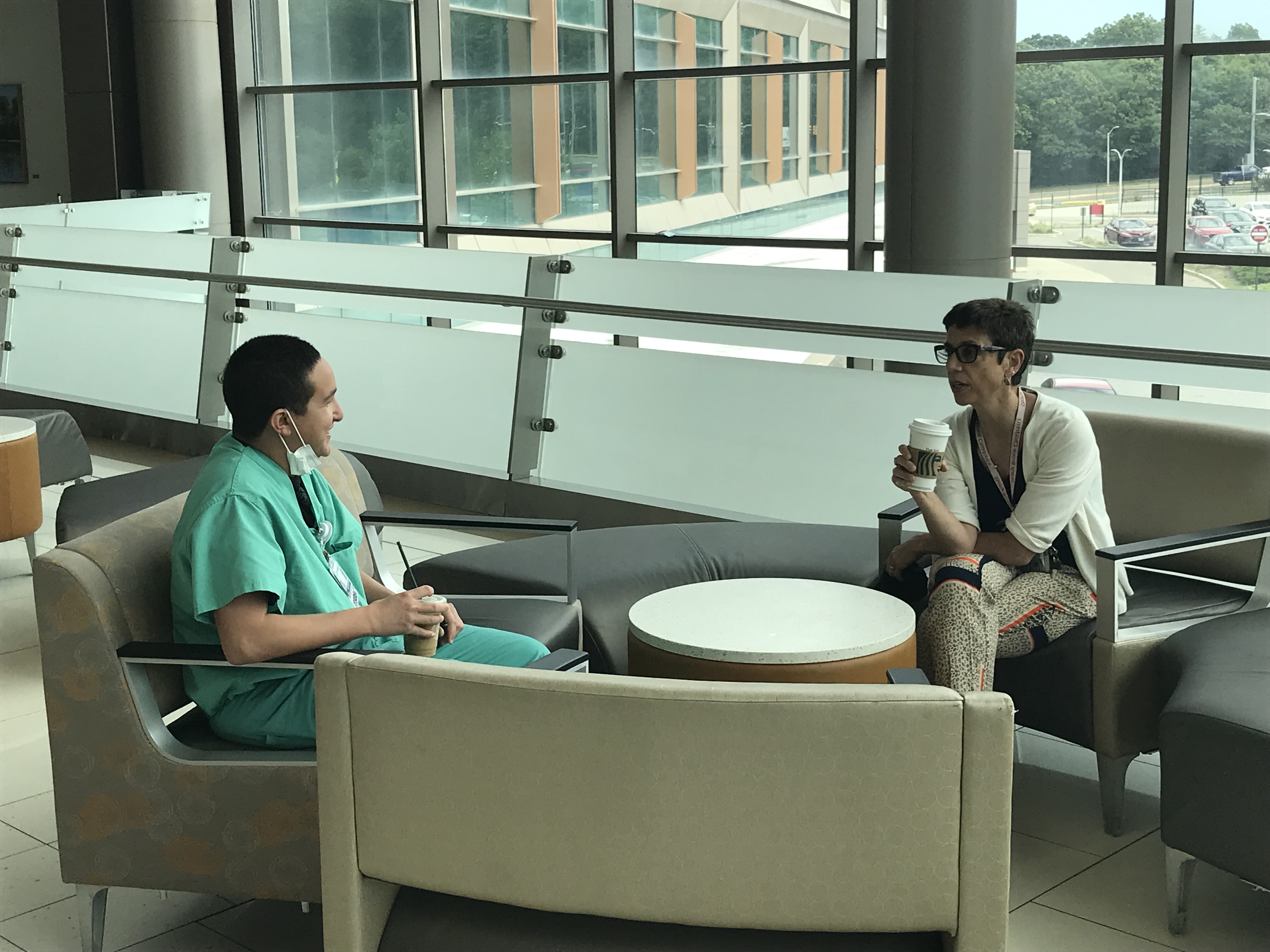
Early in the first year of residency, each resident selects a faculty advisor who serves as a trusted mentor, advocate, and coach throughout training. The advisor provides both academic and personal support, helping residents navigate the challenges and opportunities of residency while fostering professional growth and well-being.
Advisors meet with their advisees at least three times per year, although many meet more frequently based on individual needs. As a resident's champion and mentor, advisors play an important role in career development, academic success, and personal growth, with relationships that often extend well beyond residency.
Advisor Responsibilities
Faculty advisors work closely with residents to:
• Develop and review an Individualized Learning Plan (ILP) twice yearly. Residents create their ILP through the American Academy of Pediatrics (AAP) PediaLink platform and review it with their advisor. Advisors provide feedback through PediaLink and document their recommendations during advisor meetings. Advisors help residents establish meaningful SMART goals (Specific, Measurable, Achievable, Relevant, and Time-bound) that support their professional development.
• Monitor academic progress and performance, including review of rotation evaluations, milestone assessments, and other forms of feedback to identify strengths, opportunities for growth, and strategies for continued success.
• Promote effective study habits and board preparation, including guidance on required reading, completion of weekly TrueLearn quizzes and monthly board practice questions.
• Track procedural experience and competency development by reviewing procedure logs and ensuring residents are progressing toward graduation requirements.
• Provide career and professional development guidance, including discussion of career goals, elective selections, scholarly activities, fellowship and job applications, curriculum vitae preparation, interviewing skills, and transition planning.
• Serve as a clinical coach and mentor, helping residents reflect on their experiences, identify learning opportunities, and maximize the educational value of each rotation.
• Support resident wellness and resilience, including discussions about work-life integration, stress management, fatigue mitigation, signs of burnout, depression, substance misuse, and available wellness resources.
Through these ongoing relationships, advisors help residents thrive both personally and professionally, fostering the growth of thoughtful, skilled pediatricians who are prepared for successful careers in medicine.