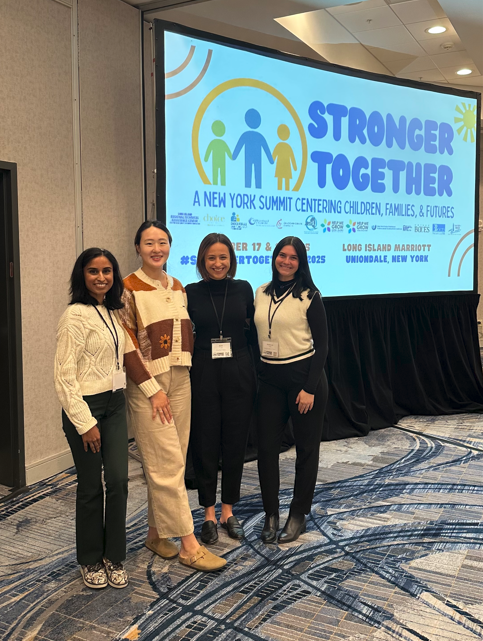
At Stony Brook Children's, we understand that much of what determines the health of our patients exists outside of our clinic walls. With a steadfast commitment to community health, all second-year Pediatric residents complete a year-long longitudinal rotation in Community & Advocacy. Our residents venture out in the community to learn first-hand about patient resources through their individual advocacy projects. Several residents go on to complete additional advocacy elective time in their third year to put their advocacy action plan to work.
Improving the health and wellbeing of children and families is central to the specialty of Pediatrics. It is important to reflect on your ability to advocate for patients even outside of direct clinical care. Stony Brook Pediatrics residents learn to develop advocacy skills to better assess and maintain the health of children and families in their community. They learn about social determinants of health and its potential effect on children’s health.
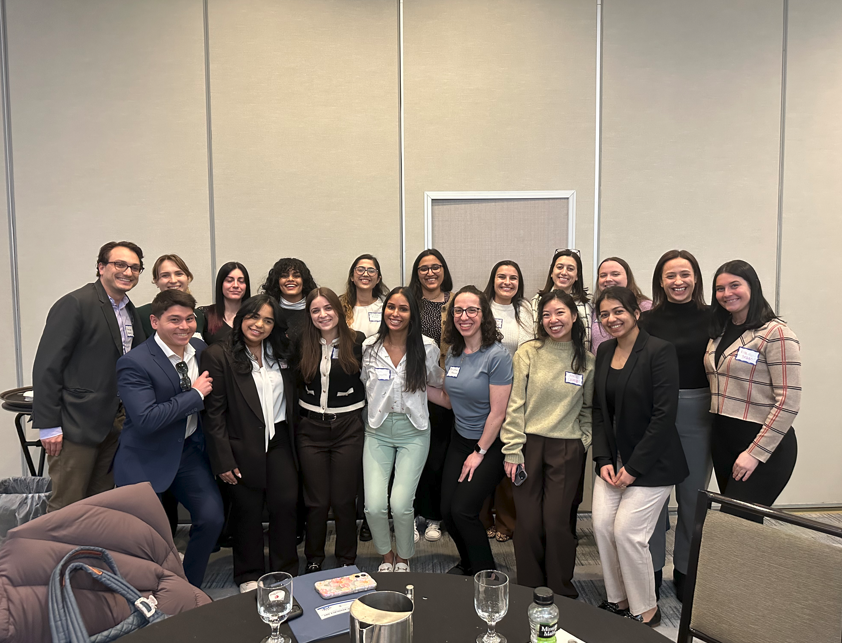
Some of the highlights of the Stony Brook Pediatric Resident’s experience we’d like to share with you:
- Taking a Closer Look at our Local Community Resources- Residents visit several local organizations to learn more about the services they provide to our families. Examples include:
- Women’s Infants Children’s
- Help Me Grow Long Island,
- Stony Brook Pediatric Children’s Dentistry Clinic,
- Long Island Head Start
- New York State Environmental Health Centers
- Safe Harbour - Learning to identify and care for children who have been at-risk for sexual exploitation
- Sepa Mujer - Support for immigrant women and children at risk of deportation or with needs in navigating local resources
- Awixa Home - Provides at-risk youth with a safe and nurturing environment
- Suffolk County Child Advocacy Center
- Comprehensive Adolescent Pregnancy Prevention Program- An educational program addressing the reproductive and sexual health of teen and young adults.
- Teddy Bear Clinic- Residents participate in an Injury Prevention Program sponsored by The Trauma Center at Stony Brook Children’s Hospital by visiting local elementary schools leading an interactive activity aimed at enhancing their knowledge of car and helmet safety. The children also have fun dressing up as doctors and nurses during the activity, caring for their teddy bear patient.
- Middle School Education- Residents visit local middle schools to teach a variety of health topics to 6th and 7th graders. These interactive sessions are fun and engaging. In addition to education on health topics, students have the opportunity to learn about careers as a health care professional.
- Building a Community Profile - Residents identify the social determinants of health impacting the health and wellbeing of the patients and families in one of the towns surrounding their weekly continuity practice. Using this knowledge, residents then identify local resources within this community that are available to address these needs.
- Brookside Chronic Care Facility - Stony Brook Pediatric residents learn about the collaborative care team involved in caring for the pediatric patients at this facility with chronic, complex health conditions. Residents receive firsthand experience in addressing the intergration of medical and social health issues for these patients by interacting with a variety of support staff. as well as primary care and subspecialty care.
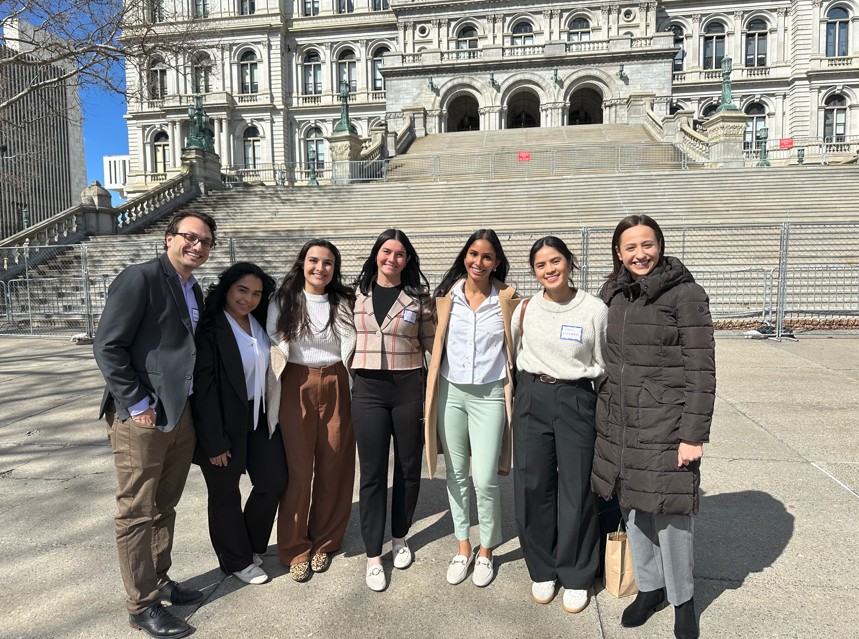
- Advocacy Day in Albany, NY- Residents travel to our state capital to learn about the unique role of a pediatrician in legislative advocacy for health issues involving the safety and wellbeing of children, families, and their communities. Pediatrics residents learn about the most up-to-date initiatives being promoted by the American Academy of Pediatrics’ Advocacy Campaign. Through interactive sessions, residents receive training on advocating at the state and federal level. Residents meet with state senators to present their summary of a current issue impacting child and family health.
- Brookside Chronic Care Facility- Stony Brook Pediatric residents learn about the collaborative care team involved in caring for the pediatric patients at this facility with chronic, complex health conditions. Residents receive firsthand experience in addressing the integration of medical and social health issues for these patients by interacting with a variety of support staff, as well as primary care and subspecialty care.